News
HKBU international symposium held at two campuses
gathers experts and students in Hong Kong and Zhuhai to examine digital humanities
20-03-2026
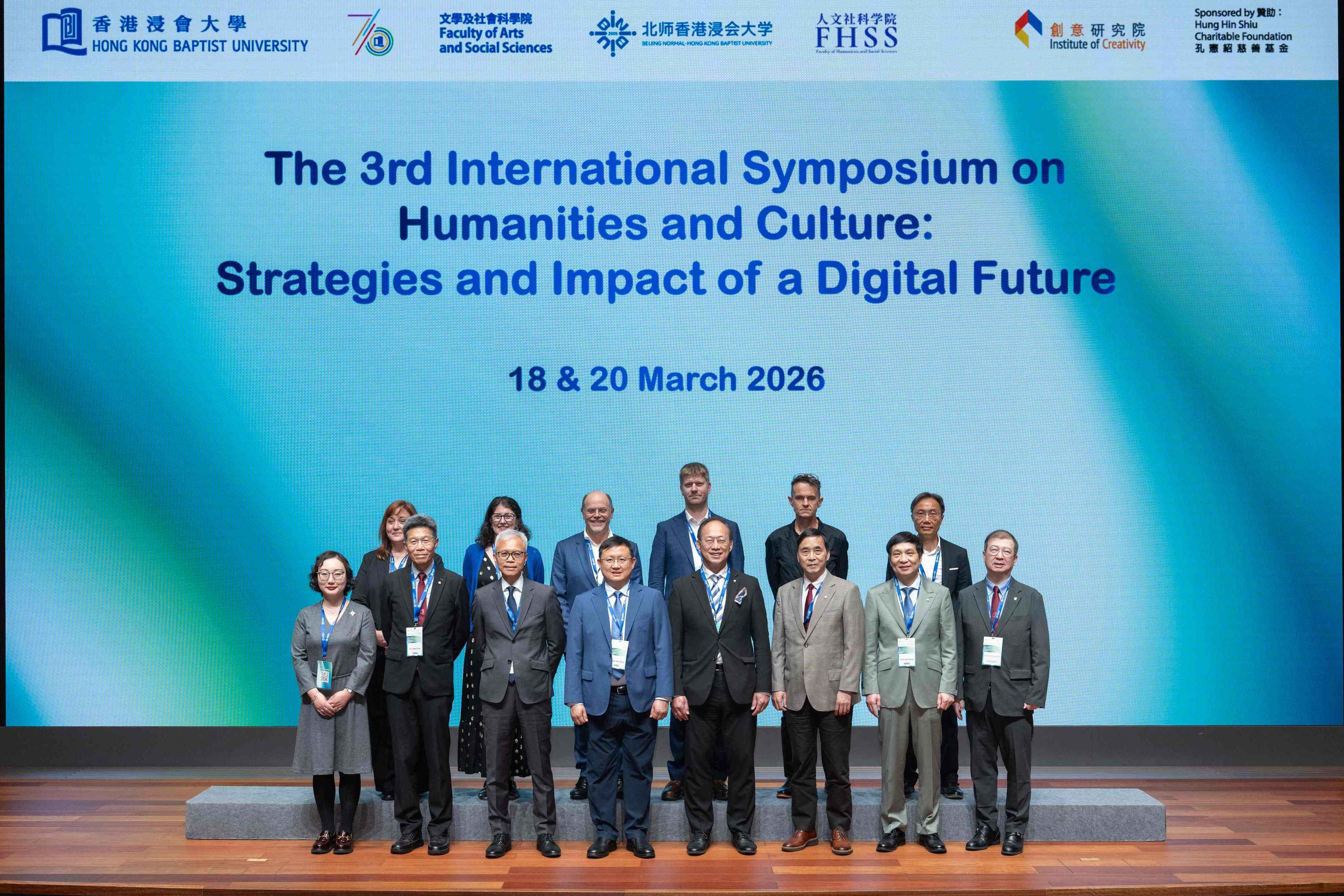
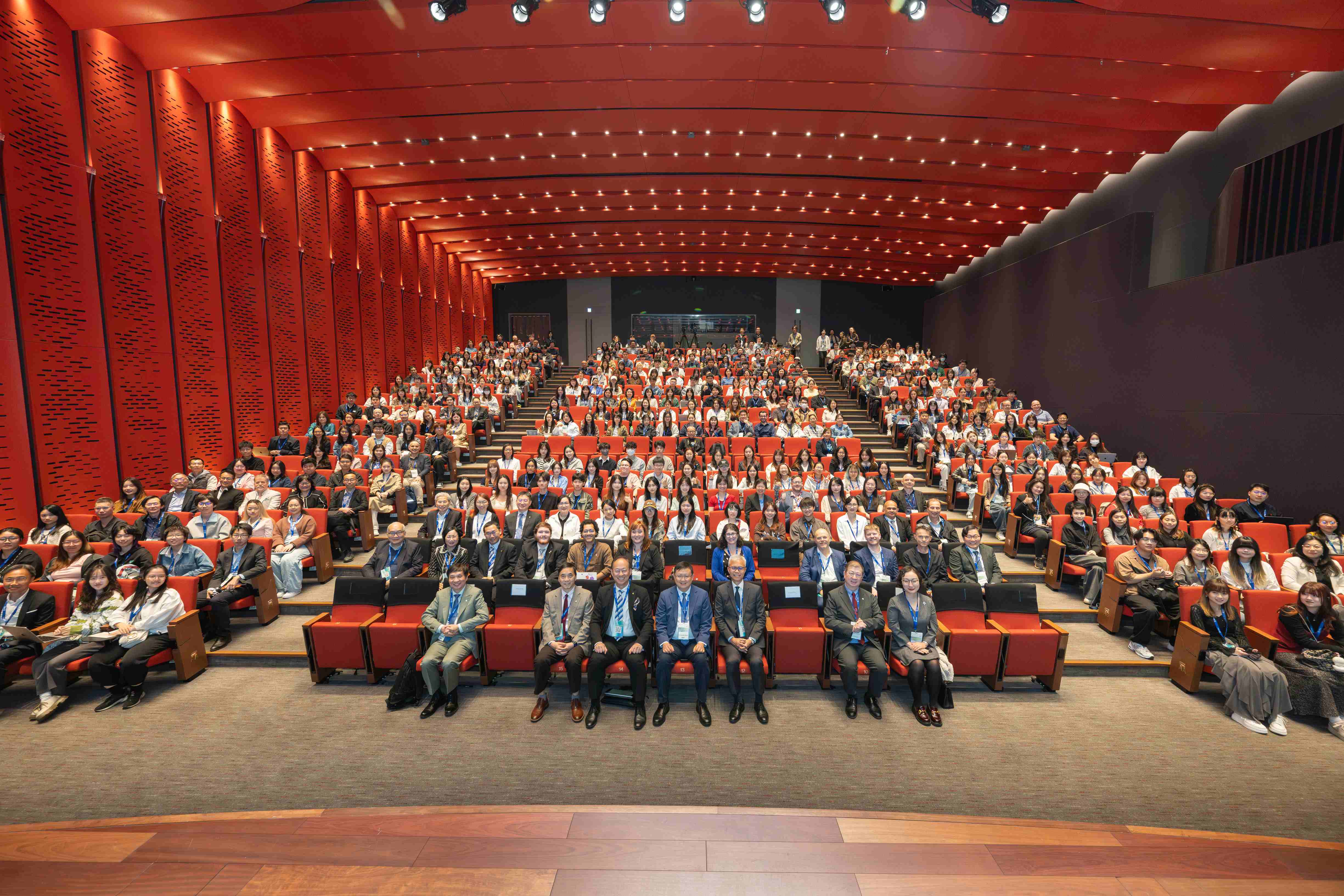
Hong Kong Baptist University (HKBU) hosted the 3rd International Symposium on Humanities and Culture: Strategies and Impact of a Digital Future on 18 March and today (20 March), at the Hong Kong Palace Museum and Beijing Normal-Hong Kong Baptist University (BNBU) in Zhuhai respectively. Taking place across Hong Kong and the Greater Bay Area, the event aligns with HKBU’s “One University, Two Campuses” strategy and provides a global forum for academic leaders, researchers, professionals and students to examine strategies and impact of a digital future.
The event, jointly presented by the Faculty of Arts and Social Sciences at HKBU and the Faculty of Humanities and Social Sciences at BNBU, was a highlighted academic event organised in celebration of the 70th anniversary of HKBU this year.
The Hong Kong sessions were supported by the Hung Hin Shiu Charitable Foundation and HKBU’s Institute of Creativity, with the two-day symposium drawing an attendance of more than 1,000 participants.
Digital humanities are expected to emerge as one of the key interdisciplinary directions for cultural digital transformation and higher education innovation during China's 15th Five-Year Plan period, while last year’s Policy Address said that artificial intelligence (AI) is the key driving force of a new round of scientific and technological revolution, as well as industrial transformation. To align with these visions, the symposium delved deeply into the interconnected relationship between the humanities and technological advancements that are shaping future societies.
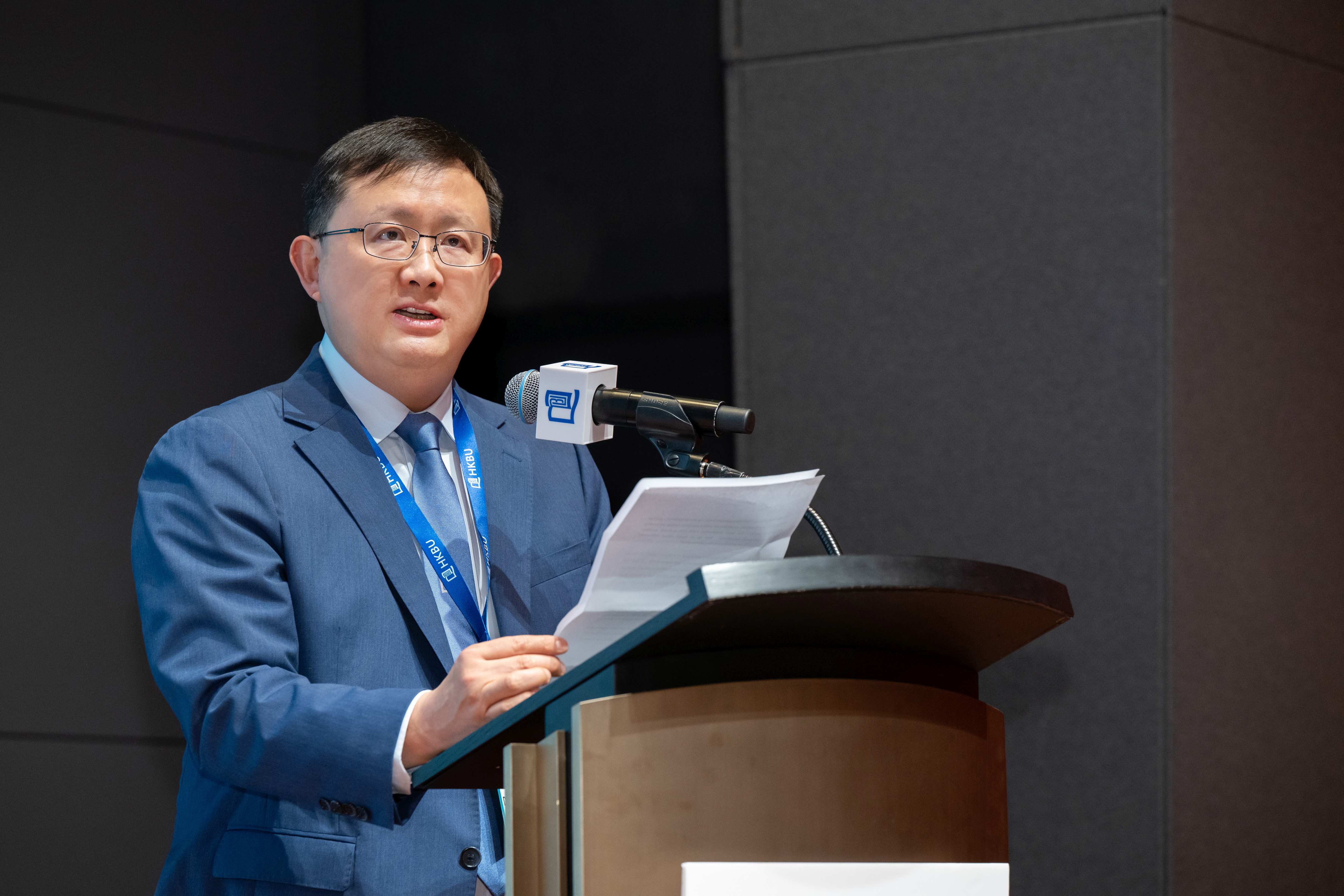
In his welcome address, Dr Kennedy Y H Wong, Chairman of the Council and the Court at HKBU, said the rapid emergence of virtual and augmented reality, big data, and generative AI presents extraordinary possibilities for cultural expression, heritage preservation, and scholarly inquiry. Yet with these opportunities come profound questions including how to safeguard authenticity, how to ensure ethical deployment, and how to harness innovation to serve the common good.
“The theme of this symposium, ‘Strategies and Impact of a Digital Future’, invites us to confront these questions with both imagination and responsibility. It calls for rigorous scholarship, open dialogue, and cross-sector collaboration to critically examine how digital advancements are reshaping humanities and culture and to responsibly harness these technologies to enhance humanity in building a sustainable future; these are at the heart of HKBU’s enduring motto: ‘Faith and Perseverance’,” said Dr Wong.
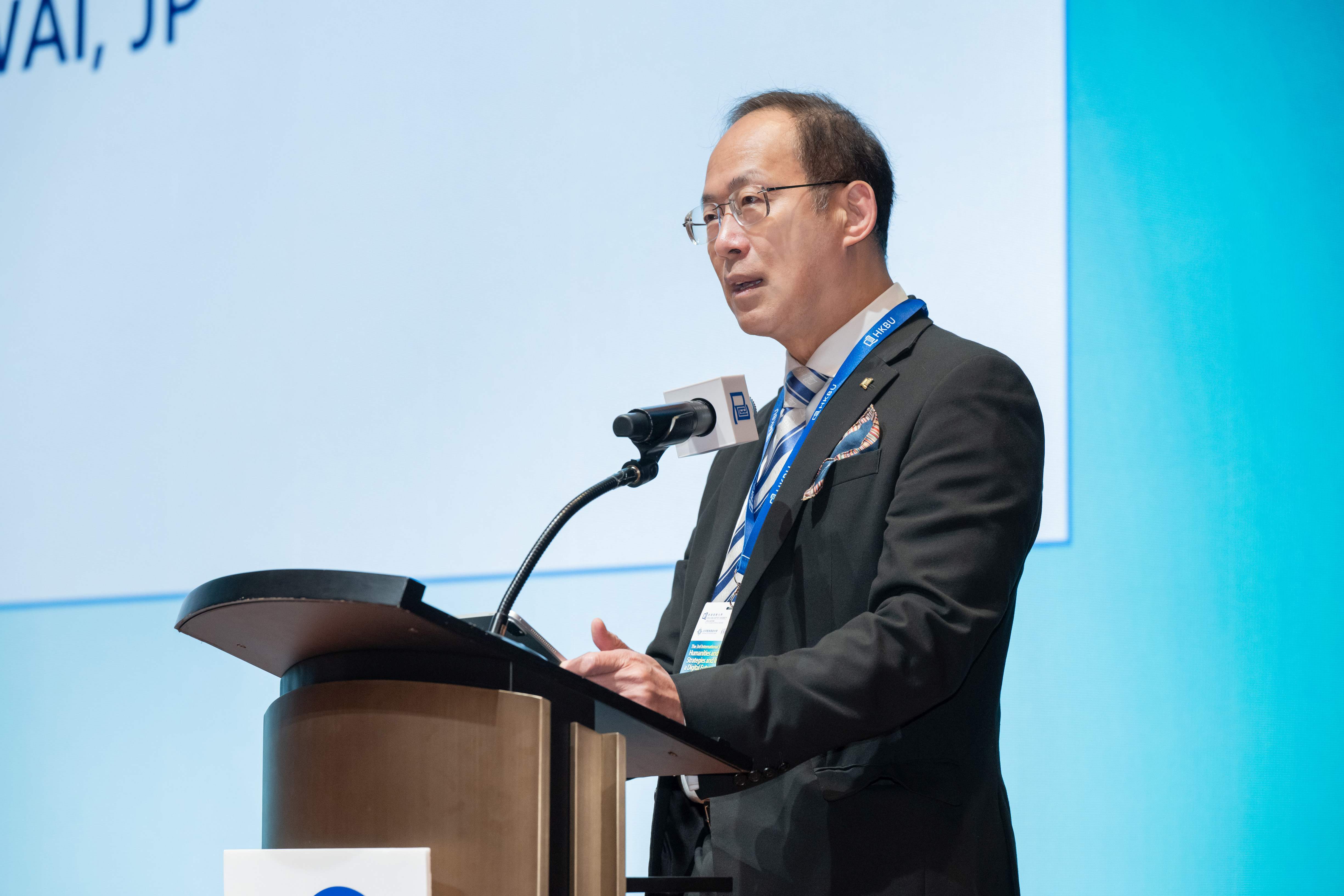
Professor Alex Wai, President and Vice-Chancellor of HKBU, highlighted that HKBU is taking the lead in transdisciplinary education and research, fostering a holistic understanding of technology’s influence on society and culture.
“Together, we will explore innovative strategies and the transformative impact of the digital age on humanities, culture, and society. The digital future is shaped by our choices, values, and collective willingness to collaborate across disciplines and borders. By bringing together global thought leaders, scholars, and professionals, this symposium reaffirms our commitment to building a future that honours both technological progress and the richness of the human experience,” said Professor Wai.
Renowned scholars from around the world were invited as keynote speakers of the symposium. They included Professor Neil Selwyn, Professor of the Faculty of Education at Monash University; Professor Cecily Raynor, Associate Professor and Chair of the Department of Languages, Literatures and Cultures, McGill University; Professor Meredith Martin, Founding Director of the Center for Digital Humanities at Princeton University; Professor Pieter Francois, Professor of Cultural Evolution and Director of the Computational Humanities Lab at the University of Oxford; and Professor Julian Thomas, Director of the ARC Centre of Excellence for Automated Decision-Making and Society (ADM+S) at RMIT University.
The sessions at the Hong Kong Palace Museum on 18 March began with the theme of “Digital Transformation in Society, Culture and Education,” exploring how digital technologies are reshaping cultural practices, educational paradigms, and social interactions in the increasingly connected world. This was followed by a session on “Digital Humanities & Transdisciplinary Research”, highlighting innovative approaches and projects that transcend traditional academic boundaries and demonstrate the power of digital tools to unlock new insights in the humanities.
Today, the symposium at BNBU shifted its focus to the “Social, Ethical, and Policy Implications of Technology,” inviting participants to examine the critical challenges and opportunities posed by rapid technological advancements, including issues related to privacy, equity, governance, and the ethical responsibilities of scholars and practitioners. Additionally, students from HKBU and BNBU engaged in a dialogue session themed “University Education and Life in the Digital Age”, where they shared their perspectives and experiences navigating academic and personal life amidst ongoing digital transformations.